
3 min read
Archer Western v. DOT: Failure-to-Provide Equitable Adjustment Claim Is Timely

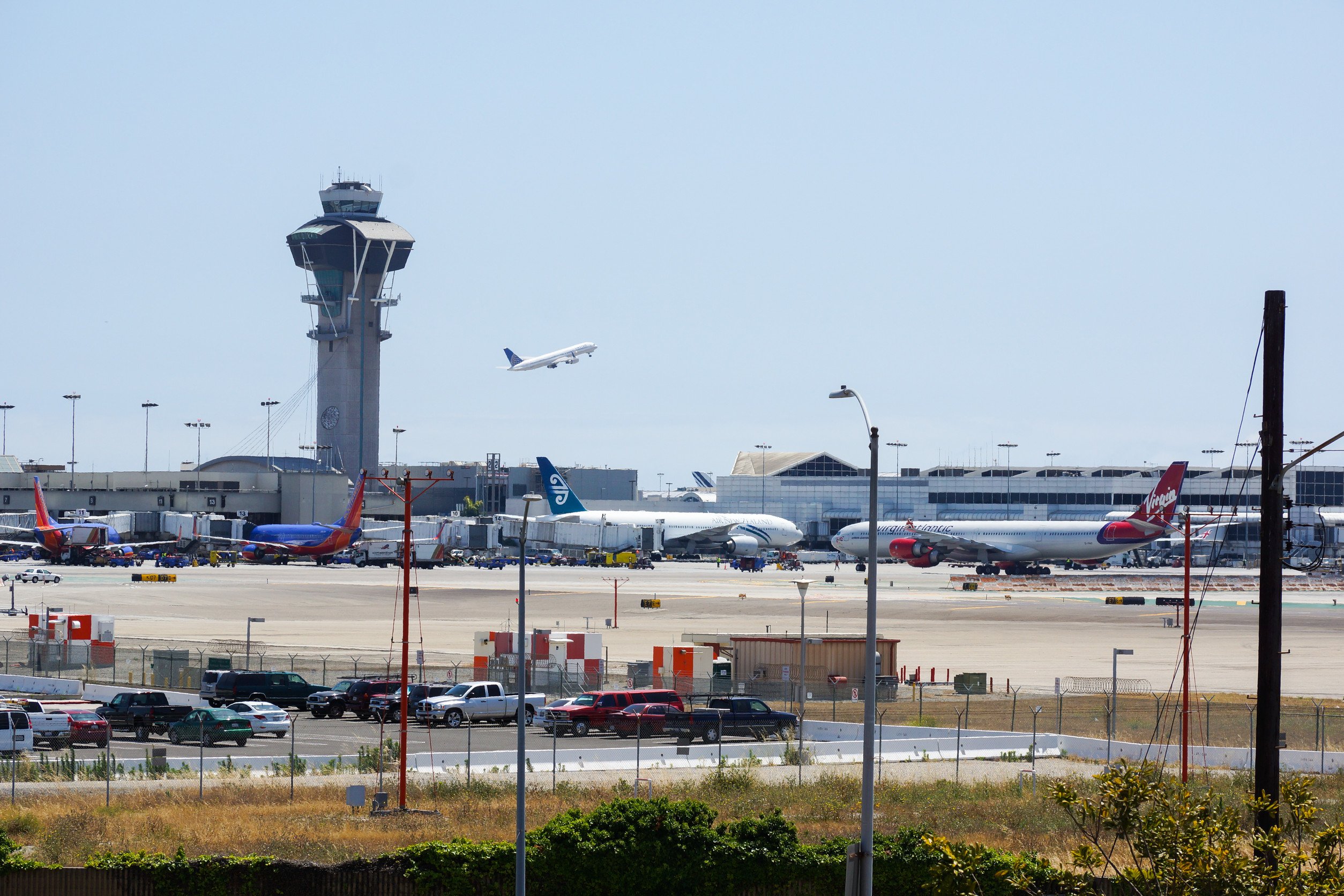
Archer Western Contractors, LLC entered into a contract with the Federal Aviation Administration to construct multiple air traffic facilities at what was then McCarran International Airport in Las Vegas. The project included an air traffic control tower, a terminal radar approach control building, a parking garage, and a guard shack. Over the course of the multi-year project, the FAA issued numerous contract modifications that altered the scope of work and, at times, caused delays.
Under the contract, Archer was entitled to an equitable adjustment when changes increased the cost of performance or the time required to complete the work. The contract also required that disputes be submitted to the FAA’s Office of Dispute Resolution for Acquisition within two years of when a claim accrued. The agreement specified that a failure to agree on an equitable adjustment constituted a dispute subject to that process.
Disputes Submitted to the FAA
Archer submitted several claims to the Office of Dispute Resolution for Acquisition. One claim asserted that the FAA failed to provide an equitable adjustment for a significant design modification. Archer alleged that the FAA’s changes increased costs and delays but that the agency denied Archer’s request for full compensation.
Archer also raised a claim concerning heating, ventilation, and air conditioning ductwork. Archer installed both round and rectangular air ducts with an antimicrobial coating required by the contract. The coating on the round ducts began to flake, and testing later raised concerns about adhesion in the rectangular ducts as well. The FAA rejected all of the ductwork and required replacement, prompting Archer to seek reimbursement for the rectangular ducts.
Several years later, Archer attempted to assert a cumulative-impact claim. That claim alleged that the combined effect of numerous contract changes reduced efficiency across the entire project, increasing costs even for work that was not directly modified.
The FAA dismissed the equitable adjustment claim and the cumulative-impact claim as untimely and rejected Archer’s position regarding the rectangular ductwork. Archer petitioned for judicial review.
Review of the Equitable Adjustment Claim
The Court of Appeals examined when Archer’s equitable adjustment claim accrued. Under the contract, a dispute arose when the parties failed to agree on an adjustment. The FAA argued that the claim accrued earlier, when the contract modification was proposed. Archer maintained that accrual occurred when the FAA formally denied the request for an equitable adjustment.
The court agreed with Archer. It determined that a claim for failure to provide an equitable adjustment could not accrue until the agency actually refused to agree to the adjustment. Because the FAA denied Archer’s request in December 2013 and Archer filed its dispute in April 2015, the claim was brought within the two-year limitations period. The court held that the FAA erred in dismissing this claim as untimely.
Review of the Cumulative-Impact Claim
The court next addressed the cumulative-impact claim. The contract required that each claim be stated as an individual claim item with a clear statement of legal grounds. The record showed that Archer did not identify a cumulative-impact claim within the two-year filing window and did not clearly raise that theory in its earlier submissions.
Because the cumulative-impact claim was not separately presented within the contractual limitations period, the court concluded that the FAA properly dismissed it as untimely.
Review of the HVAC Ductwork Determination
Finally, the court reviewed the FAA’s rejection of the rectangular air ducts. The standard of review required deference to the agency’s factual findings if supported by substantial evidence.
The record included evidence that oil contamination was present in the ducts, that adhesion testing produced poor results for multiple samples, and that flaking appeared in components of the rectangular ductwork. Based on this evidence, the court determined that the FAA reasonably concluded the antimicrobial coating would not adhere as required by the contract. Although Archer offered alternative interpretations of the evidence, the court found that substantial evidence supported the FAA’s decision.
The Court’s Decision
The Court of Appeals granted the petition in part and denied it in part. It vacated the FAA’s dismissal of Archer’s equitable adjustment claim and allowed that dispute to proceed. It affirmed the FAA’s dismissal of the cumulative-impact claim and upheld the FAA’s decision requiring replacement of the rectangular ductwork.
Assistance With Contract Dispute Matters
If you’ve experienced issues involving contract disputes, Whitcomb Selinsky PC handles contract dispute matters. Reach out to our team through our contact page to learn how our team can assist with your claim.